

Check Washing & Check Theft Scams
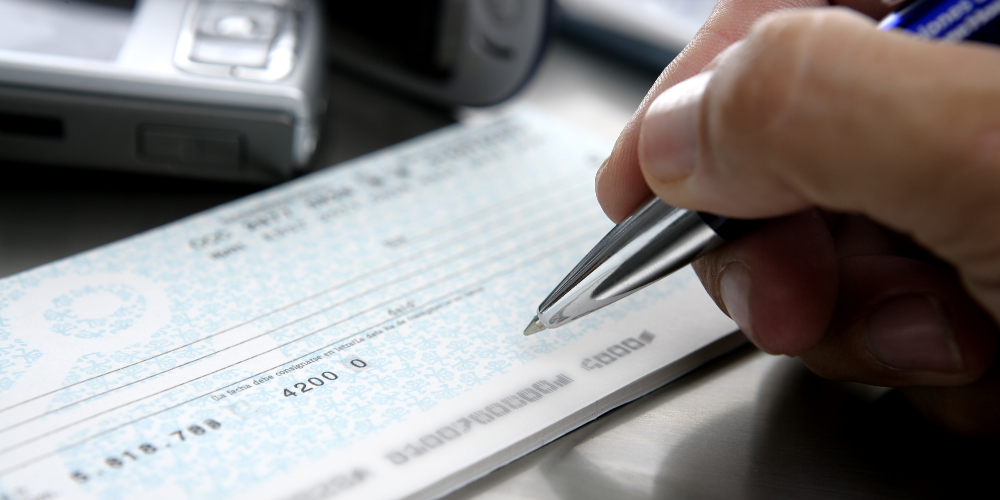
Each year, the United States Postal Inspection Service recovers more than $1 billion in fraudulent checks and money orders—proof that check washing and theft scams are still rampant. Scammers may steal, alter or counterfeit your checks, then trick you into wiring money back on funds that never clear - leaving you liable for losses you never incurred. Here’s how these costly schemes work and how you can stay one step ahead.
How fake check scams work
Whether it’s “payment” for something you sold, a work-from-home gig, or an “advance” on sweepstakes winnings, you’ll get a check that looks real - but isn’t. It’s often for more than you’re owed so you’ll deposit it, see “available” funds, then wire the “overpayment” back. Days later, the check bounces and you’re on the hook for the full amount.
Can my bank spot a fake check?
Banks must make deposited funds available - usually within two business days - even if they haven’t verified the check. Counterfeit cashier’s checks, money orders or business checks can fool tellers, and it can take weeks for the fraud to surface. Unfortunately, you’re ultimately liable for any bad checks you deposit.
How to protect yourself from fake check scams
- Don’t wire funds back. Legitimate payers never ask you to send money back after a deposit. Insist on a cashier’s check from a local branch for the exact amount.
- Beware of overpayments. If someone sends more than you’re owed, pause and verify before touching the funds.
- Use secure mail. Drop checks inside a bank lobby or a locked mailbox to reduce theft risk.
- Keep detailed records. Note the check number, date and payer info before depositing so you have the details if you need to dispute it.
- Report suspicious checks. If you suspect a fake, don’t deposit it - visit our Security Center for next steps.
What to do if You’re a Victim
File a report immediately with:
- Your bank and request copies of all fraudulent checks
- Your local police department
- The United States Postal Inspection Service at uspis.gov/report or call 1-877-876-2455
Have questions? Our advisors are here 24/7 to help you stay secure.
Call us Contact us Visit our security center